Six useful questionsDescribe what you need from gasket feeding systems before choosing a solution
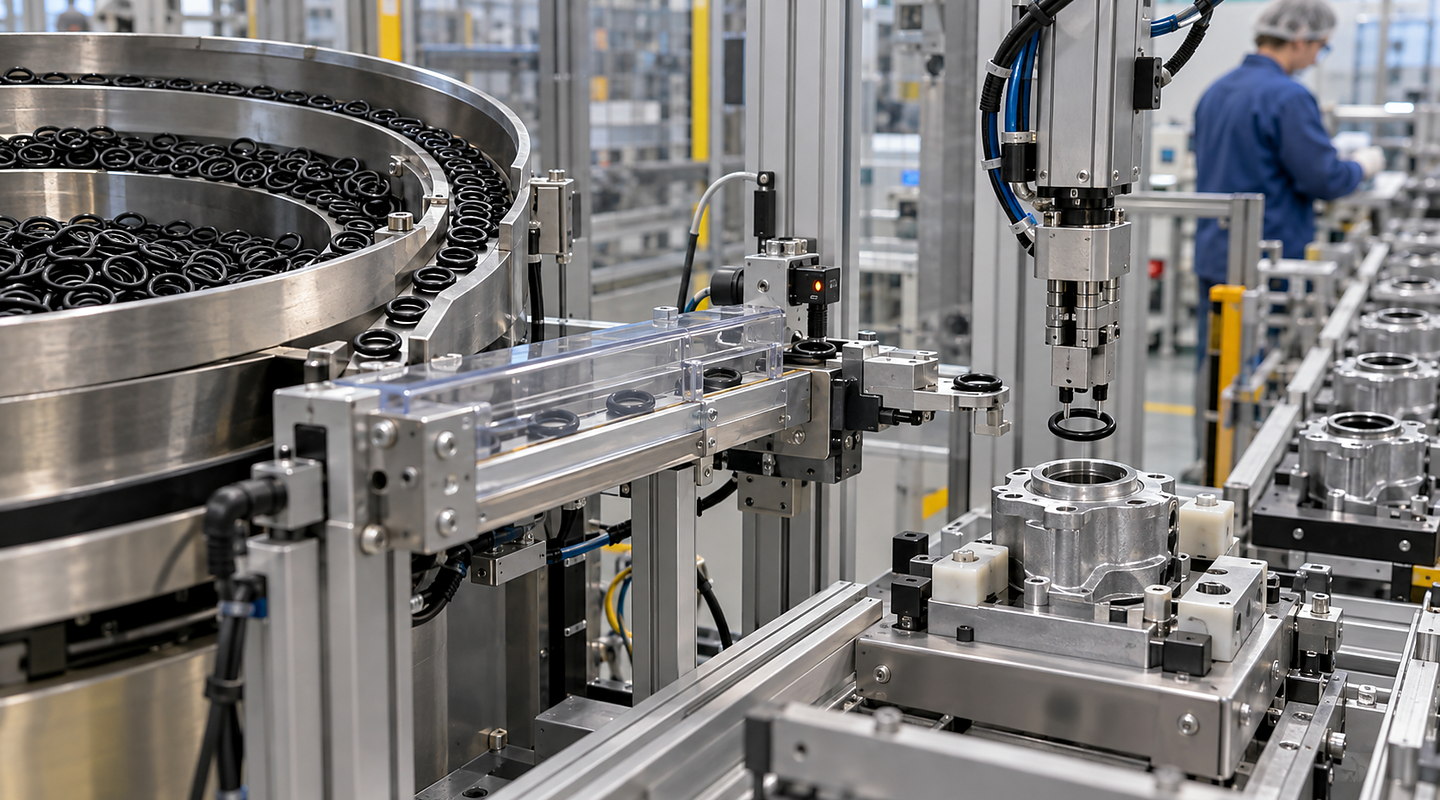
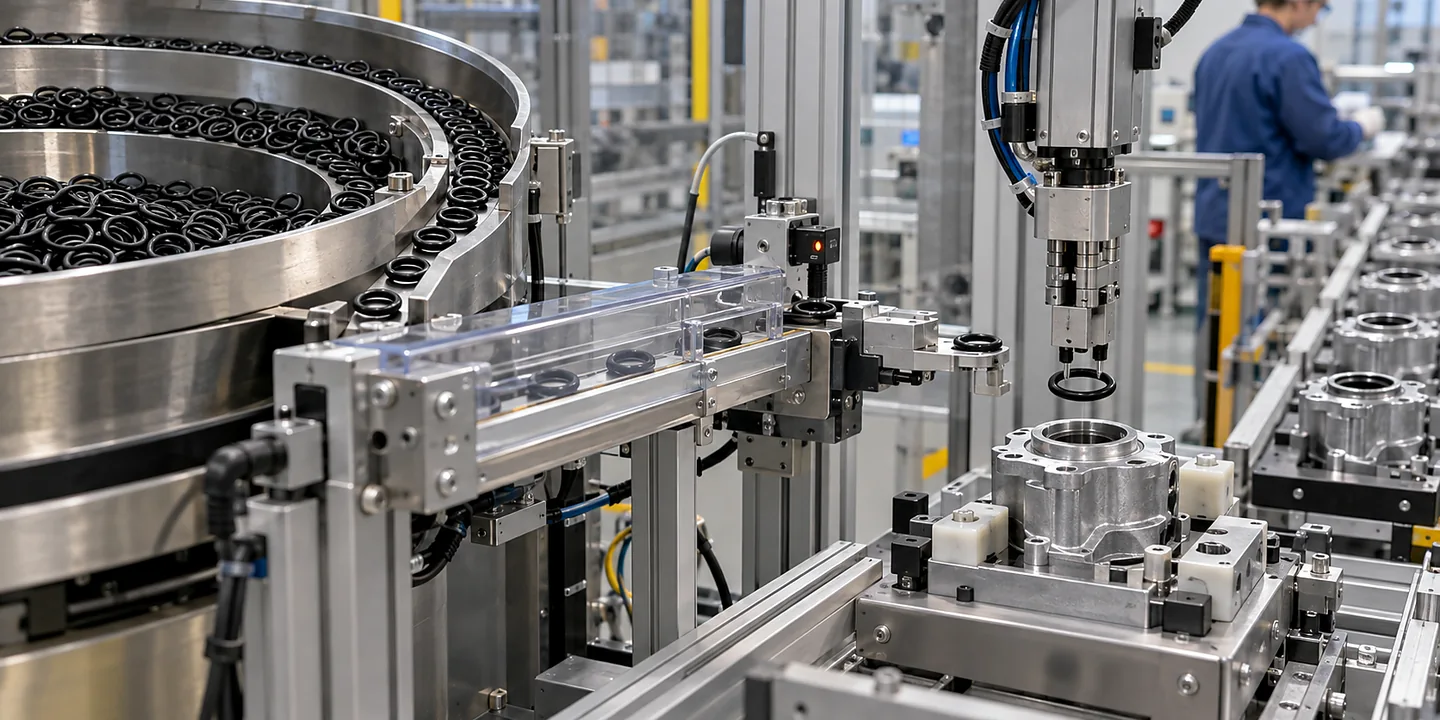
For bulk presentation using flat and shaped gasket feeding, share the normal condition, realistic range and difficult cases the finished system must handle.
Question 1Component Geometry and Variation for Flat & Shaped Gasket Feeding
For your initial enquiry about gasket feeding systems, describe the current position, required outcome, acceptable limits and known exceptions for component geometry and variation for flat & shaped gasket feeding. That lets us compare options against your real production rather than one nominal value.
Question 2Surface, Fragility and Entanglement Behaviour
For your initial enquiry about gasket feeding systems, describe the current position, required outcome, acceptable limits and known exceptions for surface, fragility and entanglement behaviour. That lets us compare options against your real production rather than one nominal value.
Question 3Bulk Condition and Replenishment Method
For your initial enquiry about gasket feeding systems, describe the current position, required outcome, acceptable limits and known exceptions for bulk condition and replenishment method. That lets us compare options against your real production rather than one nominal value.
Question 4Required Orientation and Delivery Rate
For your initial enquiry about gasket feeding systems, describe the current position, required outcome, acceptable limits and known exceptions for required orientation and delivery rate. That lets us compare options against your real production rather than one nominal value.
Question 5Escapement and Downstream Pick Interface
For your initial enquiry about gasket feeding systems, describe the current position, required outcome, acceptable limits and known exceptions for escapement and downstream pick interface. That lets us compare options against your real production rather than one nominal value.
Question 6Jam, Damage and Recovery Acceptance Checks
For your initial enquiry about gasket feeding systems, describe the current position, required outcome, acceptable limits and known exceptions for jam, damage and recovery acceptance checks. That lets us compare options against your real production rather than one nominal value.