In brief

Compare bulk and flexible or metered presentation using the same gasket material, thickness and shape range, normal loading condition and acceptable deformation. Trial stuck pairs and folded examples through separation and the actual placement handover. Use accepted downstream delivery and readiness confirmation to compare routes.

Use the same representative gasket trials and placement-interface requirements. A different presentation route may be needed where bulk feeding damages or deforms the gasket or adds unjustified complexity.

On the production floor

Match the solution to your product, part and operating needs — Gasket Feeding Systems

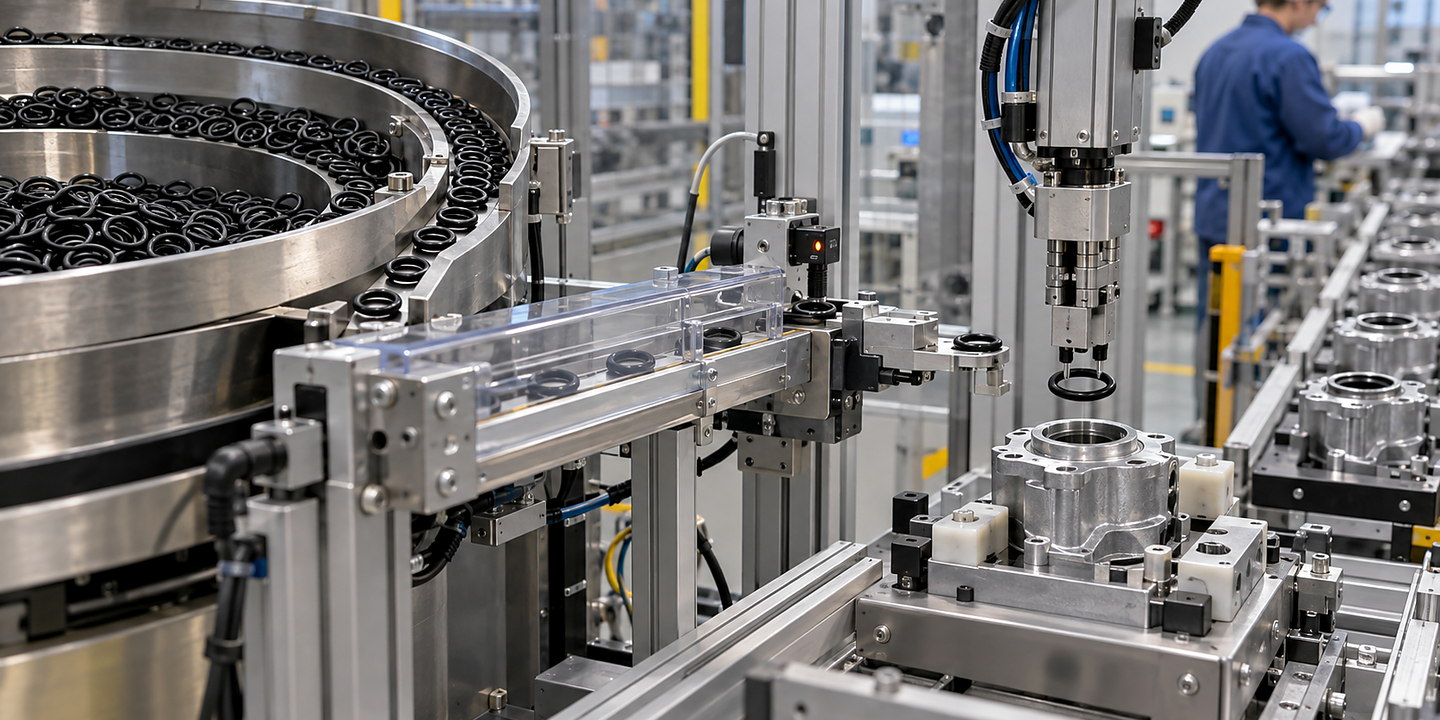
Plan gasket feeding systems around real component variation, bulk condition, orientation, usable delivery rate and the downstream interface. Discuss representative part trials with Sorting Solutions. Use the application examples to compare bulk presentation using flat and shaped gasket feeding with flexible or metered delivery involving flat and shaped gasket feeding.

Discuss your application
Application 1

Bulk Presentation Using Flat and Shaped Gasket Feeding

Start with gaskets in their normal loading condition across the material, thickness and shape range. Trial separation and transfer with stuck pairs and folded examples and record condition and orientation at placement.

Explore this application
Application 2

Flexible or Metered Delivery Involving Flat and Shaped Gasket Feeding

Compare the proposed route against the same deformation limits, placement orientation and downstream readiness requirement. Identify the actual support, handover and usable delivery needed by the next operation.

Explore this application
Choose the right route

Four questions that can change the recommended approach

What arrives?

Provide the real material, thickness, shape and supplier range in normal loading condition, including stuck pairs and folded examples. Identify the drawing and sample revision.

What must happen?

Define acceptable deformation, placement orientation and how the next station confirms readiness. Record accepted downstream delivery separately from nominal feeder output.

What surrounds it?

Show the receiving tool or placement interface, support, clearance, access and upstream/downstream operating states. Agree replenishment, authorised recovery and maintenance responsibilities.

What result do you need?

Agree representative separation and complete-transfer trials with condition, orientation, usable delivery and readiness results. Keep jams, damage, stuck pairs, folded examples and recovery observations separate.

ApproachOften suitable whenWatch for
Gasket Feeding SystemsA clearly defined gasket range and downstream placement duty can be assessed through representative trials.Include normal, marginal and supplier variants, acceptable deformation, stuck pairs and folded examples.
Flexible Vision-Guided Feeding for Suitable Variable Part FamiliesA proposed flexible route can be compared for the actual gasket family and required presentation.Do not assume a vision capability or universal suitability;trial separation,condition,orientation and placement readiness.
Manual or Tray Presentation where Bulk Feeding Would Damage Parts or Add Unjustified ComplexityA proposed bulk route conflicts with deformation limits or adds unjustified complexity.Compare actual handling tasks,placement condition,usable supply,access and documented recovery.